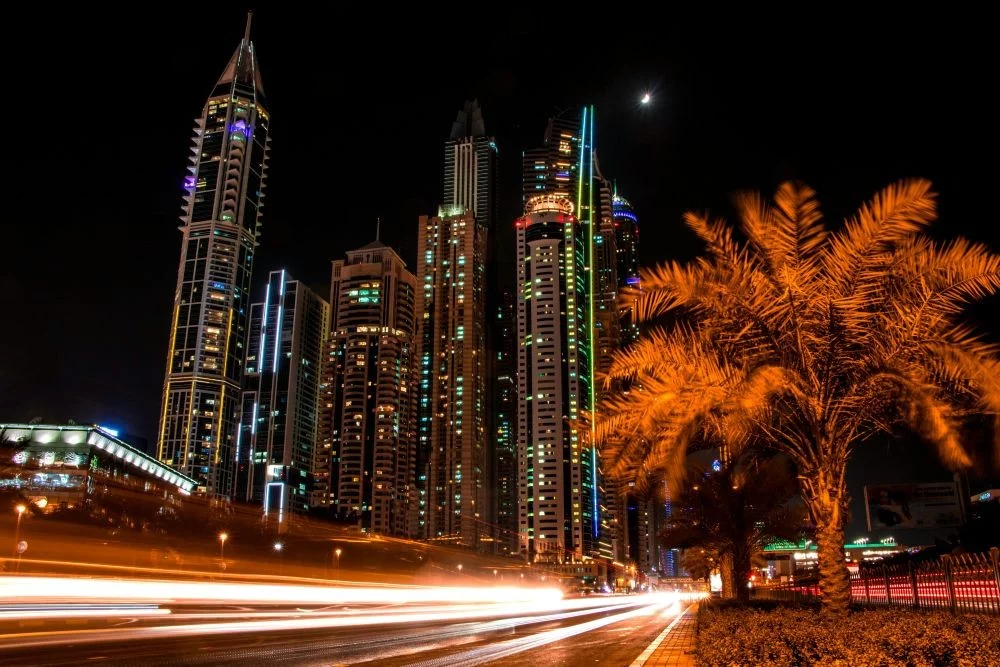

Is Dubai Expensive? Full 2025 Travel Cost Guide
They say money talks - but in Dubai, it sings. You can hear it in the hum of supercars, in the clink of coffee cups at the Marina, and sometimes, in the quiet relief of finding a shawarma that costs less than your taxi ride.
Quick navigation
- Understanding Dubai Travel Costs in 2025
- How Much Is a Flight to Dubai?
- Visa Requirements and Fees for Dubai Visitors
- The Cost of Accommodation in Dubai
- Affordable Hotel Prices in Dubai
- Popular Hotel Costs
- Luxury Hotel Rates in Key Areas
- How Much Does Food Cost in Dubai?
- Quick Dining and Street Food Prices
- Popular Restaurant Costs
- Alcohol and Tipping Costs
- Transportation Costs in Dubai
- Dubai Metro, Taxi, and Bus Fares
- Rental Car vs. Ride-Hailing Apps
- Is Dubai Shopping Expensive?
- The Most Visited Malls and Souks
- Cost of Designer Shopping in Dubai
- Attractions and Entertainment: What You'll Spend
- Popular Paid Attractions and Ticket Prices
- Luxury Activities and Experiences
- Free and Almost Free Fun Things to Do in Dubai
- How Much Should You Budget Per Day in Dubai?
- Travel Light: Daily Average
- Comfort Traveler: Daily Estimate
- Premium Experience: Daily Spend Breakdown
- Seasonal Cost Differences in Dubai Travel
- Hidden Fees Tourists Should Know About
- Tips to Save Money While Visiting Dubai
- Off-season Travel Hacks
- Accommodation & Food Savings Tips
- Comparison: Is Dubai More Expensive Than Other Cities?
- Dubai vs. London: Cost Differences
- Dubai vs. New York: Budget Gaps
- Is It Expensive to Live in Dubai?
- Monthly Costs for Expats and Residents
- Hidden Costs of Living in Dubai
- Sample Dubai Budgets Based on Travel Style
- $100 a Day - Is It Enough?
The Dubai miracle isn't just about gold and glass; it's about contrast. The city can feel like London new - sleek, global, buzzing - yet turn a corner and you're in an old souk where ten dirhams still buy something that feels real. That's the charm and the confusion all at once.
So, is Dubai expensive to visit? Answers vary depending who's asking. A digital nomad, a honeymooner, a family on school break - each ends up with a completely different bill. This 2025 guide breaks it all down in plain numbers and local insights: flights, places to stay, what you'll spend on meals and rides, and those small add-ons that quietly turn a cheap day into a pricey one.
Understanding Dubai Travel Costs in 2025
To experience Dubai in 2025 is to balance comfort with choice. Prices have shifted slightly since last year - airfares eased, hotels climbed, and fine dining rose with global costs. Transport stays friendly, with metro and taxis offering fair rates. Attractions added small fees, while Dubai shopping remains a mix of luxury malls and old souks, where you still can bargain. The city fits almost any budget - it just depends on how you want to live your Dubai story.
How Much Is a Flight to Dubai?
Watch fares for a week or two and you'll see Dubai prices wobble. From Europe, returns sit around $600–900 most months; from the US, $900–1,400 if you book late, less with a smart layover. The UK and much of Asia often come in cheaper. Winter holidays send fares climbing fast, while summer deals appear often. Budget airlines keep prices lean, though layovers add hours. It's also like catching a good wave - timing and a little patience can cut your ticket cost in half.
Visa Requirements and Fees for Dubai Visitors
First of all, you should check the visa requirements for citizens of your country. In many cases, visiting Dubai is visa-free or visa-on-arrival; others apply online for a tourist e-visa. The citizens of most European countries are eligible for a 90-day visit visa - it's multiple-entry, valid for 6 months. The citizens of these countries may apply for a pre-arranged visa if their 90-day visa on arrival is expiring. Pre-arranged UAE visas cost from US$10 (48 hours, non-extendable) to US$231 (multiple entry, 60 days). Fees and timing aren't fixed, so verify on the official UAE portals.
The Cost of Accommodation in Dubai
Accommodation costs swing by area and season. In Downtown and the Marina, 3–4-star hotel rooms often cost more than similar stays near Jumeirah Beach Residence or older Deira. On Palm Jumeirah, you pay for the postcode and the view. On booking sites, the first price is usually the base; taxes and service charges show up on the last step. Check the final screen before you compare accommodation costs.
Affordable Hotel Prices in Dubai
Hostel dorms can be $18–35 a night. Two-star places usually sit around $45–70, while no-frills three-stars land closer to $65–110. A compact Airbnb or studio aparthotel is $70–120, and often less if it's near a metro stop. For friendly options, travelers rate Rove, Premier Inn, Ibis, and Citymax for clean rooms and easy locations. The best deals tend to show up midweek or in the summer lull. Check the last booking step - tourism dirhams and service fees live there.
Popular Hotel Costs
Most 3–4-star rooms sit around $105–165 on regular nights; winter weekends can climb. Think it over: a proper bed, quiet AC at night, Wi-Fi that doesn't drop, and often a small pool. Breakfast is usually an add-on, which works if your plans are loose. Being close to a metro stop can trim taxi spend. If your travel style values sleep and location, this tier tops budget accommodation without chasing luxury.
Luxury Hotel Rates in Key Areas
In downtown Dubai, you're paying for skyline and address - skyscrapers luxury right outside the window. Typical five-star nights hover near $280–450, rising on event weeks; the hottest months often pull rates down. On the Palm, luxurious hotels like Atlantis swing with school holidays and waterpark demand. Burj Al Arab is its own story - four figures on many dates. Prices move more with seasons and calendars than weekdays, so check a few nearby dates before you decide.
How Much Does Food Cost in Dubai?
Your food spending shifts with the setting and the pace of your day. Grab-and-go counters or mall courts are quick and no-fuss. Linger at a neighborhood café and you're paying for time and choice. Walk into a hotel dining room or a chef-driven spot, and the meal turns into a full dining experience - the view, the service, the whole arc of the evening. Brunch culture can stretch a lunch into an afternoon. Bills often include VAT and a service line at the end, and alcohol changes the math fast. Is Dubai expensive to visit? Your plate usually answers first.
Quick Dining and Street Food Prices
Start with the basics: a shawarma from a corner stand usually runs $3–6, fast and filling. In mall food courts, a hot plate or curry-and-rice set lands around $7–12. Big-name fast food combos sit near $6–9. It's simple food at reasonable prices, and a good break from casual dining spots. Do check the final bill - VAT or a small service line can appear. Save the long dining experiences for later; street bites keep the day moving.
Popular Restaurant Costs
At most restaurants, two people typically spend about $45–85 before drinks. Think Lebanese grills or Indian home-style plates; some lean towards Turkish or Thai. Many spots mix cool indoor rooms with small terraces when evenings ease. If you're eyeing tasting menus and big-name concepts, those fall under celebrity chef restaurants - and the check climbs accordingly.
Alcohol and Tipping Costs
Alcohol is only poured in licensed places - think hotel bars, certain restaurants, and clubs. Tourists can buy in liquor shops with a passport, though most drink out; bars are pricier than cafés, clubs higher still. Tipping: 5–10% if no service fee, or just round up. What makes Dubai tricky are add-ons; tip well and enjoy Dubai.
Transportation Costs in Dubai
Dubai's transport system clicks after a day in the city - you see how people actually move. Take the metro for long cross-city hops; grab a bus when stations don't quite reach your stop. Taxis cover late nights or tight schedules; short-term rentals suit full itineraries. One Nol Card links most public transportation with tap-in access.
Dubai Metro, Taxi, and Bus Fares
For getting around Dubai, the public transport system is clear: Dubai Metro fares start at ~3–8 AED by zones; a day pass is ~22 AED. Trains run roughly from 5 am to midnight (later on weekends) with short peak waits. Buses follow the same zones. Taxis meter in (start ~12 AED + per km). Reliable, especially on core routes.
Rental Car vs. Ride-Hailing Apps
With rental cars, busy days and side trips are easy - you set the pace, but you'll also deal with parking and Salik tolls. Uber/Careem wins for point-to-point ease - no parking hunt, no fuel stops. Hotels sometimes validate parking; malls often give a few free hours. If you don`t like driving, the city without a car still works.
Is Dubai Shopping Expensive?
Malls lean polished; souks feel personal. Many travelers split the day: a bit of window shopping under the AC, then a haggle for spices, textiles, or trinkets. Big promos land during the Dubai Shopping Festival. Visitors can claim a VAT refund at tagged stores and airport counters - so the final bill hits a little softer.
The Most Visited Malls and Souks
For bargains, try Dragon Mart (household, accessories) and Karama Market (textiles, tailoring, luggage). Prices are significantly cheaper than big malls, and haggling is expected - open 20–30% under the first quote. Souvenirs - scarves, spice sets, keychains - typically range from a few dirhams up to the low tens, depending on quality and how well you bargain.
Cost of Designer Shopping in Dubai
At Dubai Mall and Mall of the Emirates, luxury browsing turns into full theatre: flagship maisons, private lounges, same-day alterations, even personal shoppers on request. It's skyscrapers luxury shopping with fountains or indoor ski views as a backdrop. Tourists can claim VAT back at participating stores and airport counters, which softens the take-home total.
Attractions and Entertainment: What You'll Spend
Spending here leans on timing more than anything. For the panorama, Burj Khalifa Dubai; for sand and stars, desert safaris - waterparks sit somewhere in between. Prices shift with slots, bundles, and seasons. Some hotels near major attractions include shuttles or small discounts. Booking earlier tends to help around sunset and weekends.
Popular Paid Attractions and Ticket Prices
For "At the Top" at Burj Khalifa, expect starting prices around AED 179. Dubai Frame is simpler: adults pay roughly AED 50. Dubai Miracle Garden lists AED 100 adult tickets this season. Aquaventure prices vary by date - check the official tickets page. Dubai Fountain shows are free activities from the promenades; boat/boardwalk views are paid extras. Online combos and off-peak slots often price better.
Luxury Activities and Experiences
Private yacht time can start near $150–250 per hour for smaller boats with crew and soft drinks; larger yachts push $500–900 with captain and marina fuel. Helicopter rides run about $180–220 (12 min) or $300–400 (20–25 min) per person with a safety briefing. Fine-dining with views often lands around $100–180 per person - nice before attractions like the Dubai aquarium.
Free and Almost Free Fun Things to Do in Dubai
The coast does a lot of the work - Kite Beach for a towel-and-book afternoon, JBR for people-watching. In Al Fahidi, the lanes are free to wander, and the tiny museums ask only a small fee. Deira's spice and gold souks cost nothing to enter. Safa Park and desert bike paths are low-cost pauses when you visit Dubai and keep Dubai costs down.
How Much Should You Budget Per Day in Dubai?
Day to day, costs tend to sort themselves into three shapes - pared-back, comfortable, or all-in. A quick rule that keeps plans honest: add lodging, meals, transport, activities, then a small buffer. Pay in AED to dodge weak card exchange rates. Evenings in Dubai Marina push totals; luxury desert safaris do, too, though they're unforgettable.
Travel Light: Daily Average
Hostel bunk, metro or bus, and street eats keep a day lean - about $45–70 on most itineraries. Use a Nol day pass, grab a shawarma, and wander along Dubai Creek or the public beaches. Set aside a few dollars for the Dubai Museum. Across the United Arab Emirates, free sights stretch a budget.
Comfort Traveler: Daily Estimate
A typical room, two proper meals, metro most of the time, and the occasional taxi - $120–200 a day is a fair ballpark, give or take. Neighborhoods one or two stops beyond the busiest strips are usually less expensive and a quieter. This tier feels like living Dubai for a week: decent sleep, good food, and a little skyline time each day.
Premium Experience: Daily Spend Breakdown
Premium days stack up fast: five-star hotels with skyline views, a driver on call, and the big-ticket stuff - yachts, helicopters, chef's tasting rooms. Downtown or the Palm set the tone; Al Barsha is a family base, handy but not showy, useful as a price check. Private transfers keep days smooth between reservations.
Seasonal Cost Differences in Dubai Travel
Winter crowds (Oct–Apr) push up room rates and flights; big events add spikes. Summer flips the script: hotels and excursions discounts, with earlier or late starts for the heat. Shoulder weeks bring the nicest balance. A/C stations make it easy to get around Dubai. What feels like expensive Dubai in January looks friendlier in July.
Hidden Fees Tourists Should Know About
Like many major cities, Dubai adds small lines that grow a bill: the nightly tourism dirham at hotels, occasional resort fees, VAT, and service charges that appear at checkout. Taxis can include airport pickup surcharges; drivers pass Salik tolls and parking back to you. Use Nol for transit, pay in AED, and compare "final price" on booking sites. Hunting for Dubai cheap deals? The total, not the teaser, is what counts.
Tips to Save Money While Visiting Dubai
In places like Dubai, the budget holds when the "big stuff" is set early (hotel, key sights) and the rest stays flexible. The metro/bus web does heavy lifting. Try a local café off the main drag. Check 2-for-1 apps and free-entry calendars; off-peak time slots also come in handy.
Off-season Travel Hacks
Summer and Ramadan change the rhythm - and the bill. Hotels and tours run quieter, with softer rates and room to choose time slots. Malls and indoor sights feel cooler and less crowded. Restaurants lean toward prix-fixe and early seating. Ramadan brings shorter daytime hours and a softer pace, with plans moving later after iftar.
Accommodation & Food Savings Tips
Bundle deals do some quiet work: a room with breakfast credit, or a hotel that partners with nearby cafés. Booking platforms sometimes add cashback or points that cover a meal later. Loyalty tiers help if you return. Check the final screen - fees hide there - and compare "pay now" vs "pay at property"; one often prices softer.
Comparison: Is Dubai More Expensive Than Other Cities?
Line Dubai up against London or New York, and a pattern shows. Central hotels in those capitals often top Dubai, though peak season narrows the gap. Casual food is similar; fine dining can match any big city. Transport is usually cheaper in Dubai. If you're googling cities like London or New York, Dubai often lands mid-pack.
Dubai vs. London: Cost Differences
Hotels in central London usually price higher than comparable rooms in Downtown Dubai; off-season narrows it. Everyday meals feel similar, while tasting menus can match either city. London transport bites harder - Dubai's metro and taxis often land softer. Tickets for attractions like Burj Khalifa and London's sky views sit in the same ballpark, with timing and bundles deciding the winner.
Dubai vs. New York: Budget Gaps
New York usually runs pricier on hotels and tipping-heavy dining; casual meals feel closer. The subway is cheaper, though Dubai's metro plus taxis often make long days simpler. Big-view tickets sit in a similar band. Shopping pulls spend in Dubai - think malls (like Dubai Mall); in NYC, Broadway nights and museums take that role.
Is It Expensive to Live in Dubai?
Long-stay expats often feel the pinch from private schools, insurance, and rents near business hubs, while locals read the ledger differently. Groceries are pricier if you chase imported brands; transport stays reasonable if you use the metro. Emirati families often offset expenses with housing support or larger households. Short stays to visit Dubai feel cheaper than settling in.
Monthly Costs for Expats and Residents
Rents do most of the lifting. Studios in Al Barsha or JLT commonly list in the AED 4.3–5.8k/month band. One-bedrooms in mid-market areas run AED 6–9.5k, while Marina or Downtown often start closer to AED 9.5–12k. For a 1-bedroom, DEWA bills land around AED 400–600 most months, with summer air-con lifting the total a bit. Home internet plans start at AED 229–299+ a month. If you mostly cook, groceries for one cost roughly AED 900–1,300; eating out regularly moves that number fast.
Hidden Costs of Living in Dubai
After rent, the quiet costs pile up: school fees (deposits, uniforms, buses), private health insurance, yearly car registration and testing - plus Salik and parking - and visa renewals with medicals and typing-centre fees. Some buildings add move-in deposits or chiller/service charges. Budget a buffer so these don't sting.
Sample Dubai Budgets Based on Travel Style
Solo: hostel bunk, Nol card, street eats, one paid sight every other day.
Couple: mid-range room, two sit-down meals, metro plus the odd taxi, a view deck or museum daily.
Family: apartment hotel, ride-hailing, waterpark or zoo, early dinners.
City passes and off-peak slots stretch each plan.
$100 a Day - Is It Enough?
Yes - if you keep it lean. Hostel bunk, Nol day pass, shawarma lunch, and a free afternoon on the public beach. Wander Al Fahidi at dusk, cheap abra across Dubai Creek, casual dinner in a neighborhood café. One paid sight every other day. You can make it work without feeling squeezed.
Renty, a trusted car rental company, has an exciting choice of cars for every need and expectation. From the splendour of luxury models to the versatility of an SUV, you can always rely on Renty to make your journey pleasant and comfortable.